About PAPRI
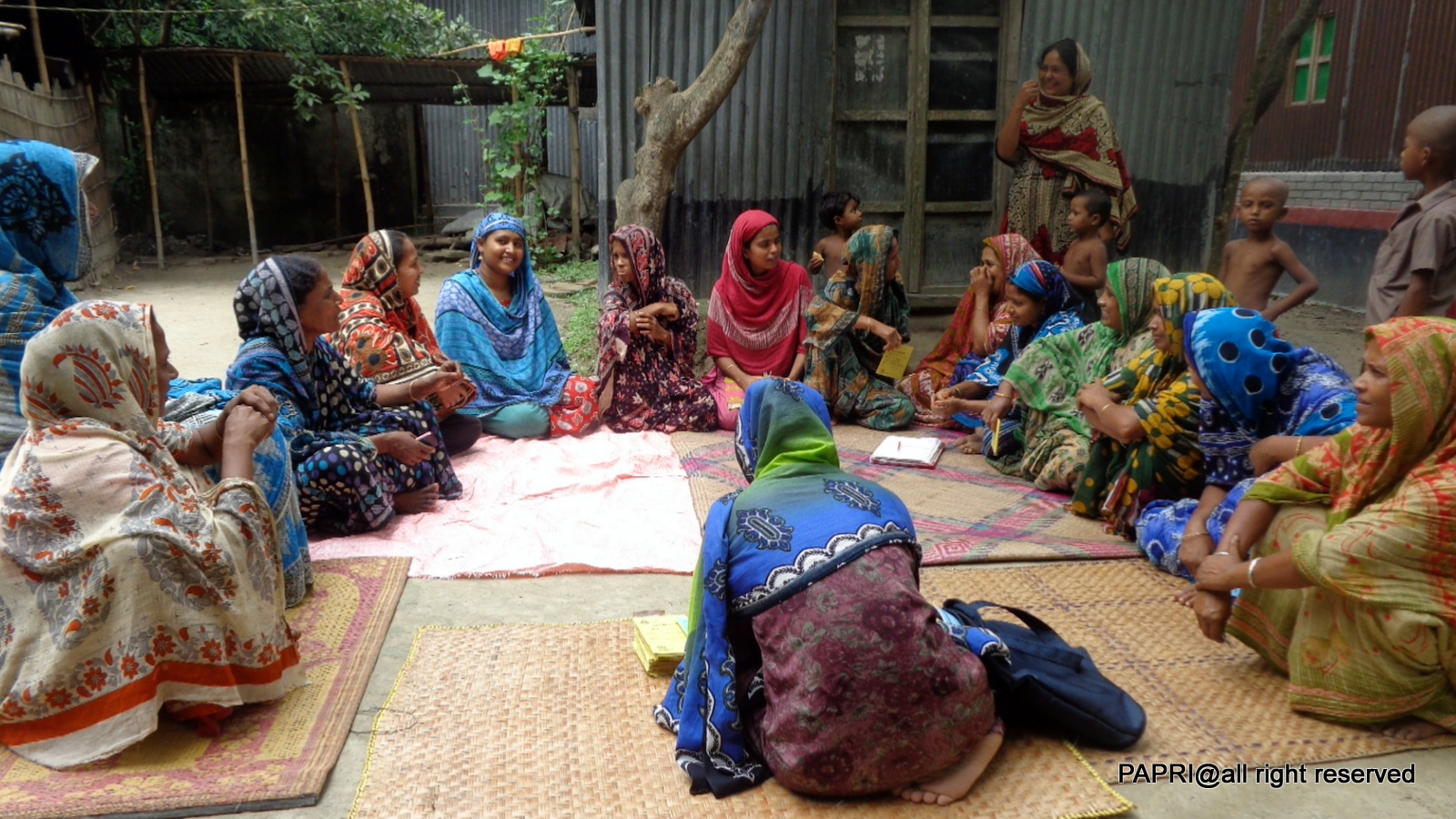
PAPRI is a non-government voluntary development organization established in 1999, working to empower rural communities through sustainable development programs in Narsingdi and beyond.
Read More
Our Impact
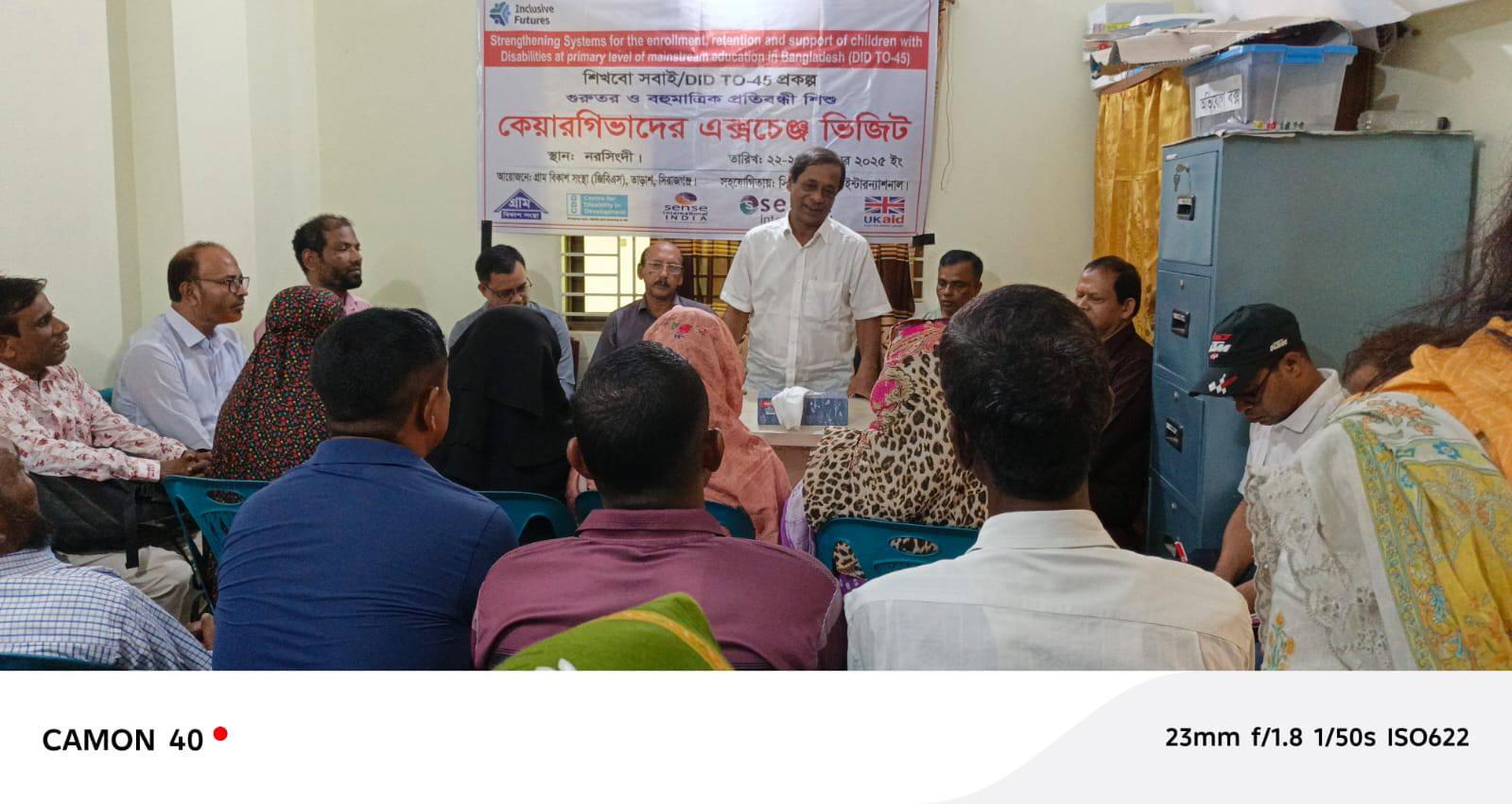
Strengthening systems for the enrolment, retention and support of children with disabilities at primary level of mainstream education in Bangladesh” SHIKHBO SHOBAI/DID TO-45 Project.
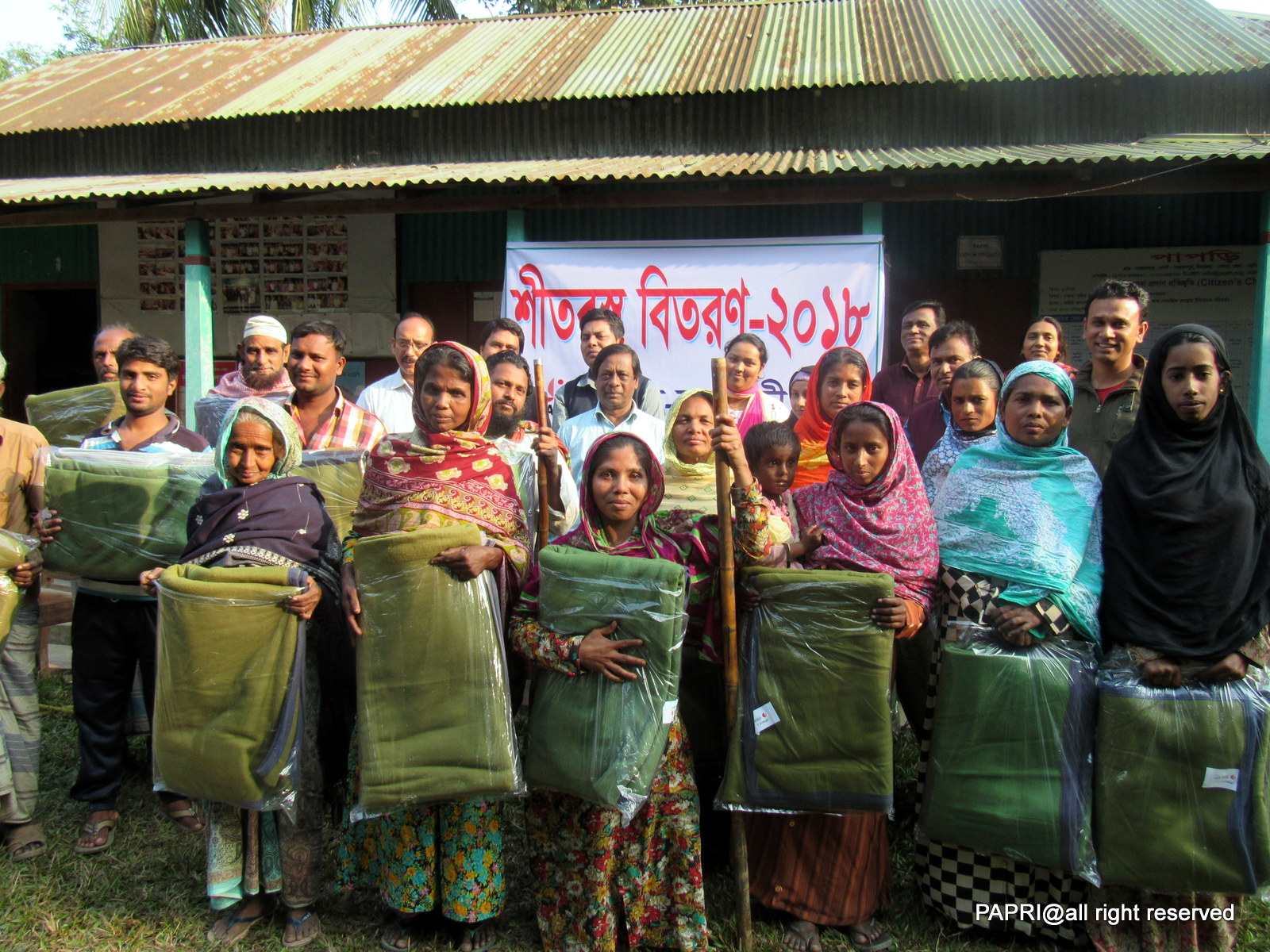
SHIKHBO SHOBAI/DID TO-45 Project supports severely and multiply disabled children aged 5–10 in Narsingdi Sadar through functional assessment, individualized education, home-based ADL training, therapy, healthcare, assistive devices, and school inclusion. The project also strengthens parents and community support systems to improve children’s independence, development, and well-being. Background of the Project: PAPRI (Poverty Alleviation through Participatory Rural Initiatives) has been working since 1999 to integrate disability into development activities. PAPRI is involved in various developmental activities in all upazilas of Narsingdi district. PAPRI has gained a wide reputation in the entire district for improving the quality of life of disabled people through community based activities. In continuation of this, through regular home-based services and support for the multi-dimensional and severely disabled children aged 05 to 10 years of Sadar Upazila of PAPRI Narsingdi district, the environment and service capacity will be maintained in a suitable environment for school admission. A permanent infrastructure for children with multiple and severe Disabilities has been developed through the work of various local organizations. Train caregivers, immediate neighbors and community members to provide regular services to meet the needs of children with multiple and severe disabilities. By creating and promoting other appropriate communication challenges (eg meetings and testimonials), children with multiple and severe disabilities and caregivers, nearest neighbors should be given the information they need about child protection and play a role in decision-making about their various abuses. Project Name: Strengthening systems for the enrolment, retention and support of children with disabilities at primary level of mainstream education in Bangladesh” SHIKHBO SHOBAI/DID TO-45 Project. Project Concept: Under the DID TO-45 Project, severely and multiply disabled children aged 5 to 10 years in Narsingdi Sadar Upazila have been identified through a survey conducted by Penda. Following identification, each child undergoes a Functional Assessment to determine what type of services they require. Based on this assessment, regular services are being provided. After the Functional Assessment, an Individual Education Plan (IEP) is developed for each child. In the initial stage, home-based services are provided focusing on the child’s Activities of Daily Living (ADL). The ADL activities generally include brushing teeth, eating independently, bathing alone, wearing clothes, buttoning shirts, using the toilet, holding pens or pencils, introducing colors, recognizing letters and numbers, and learning small words and sentences. Using appropriate Teaching-Learning Materials (TLMs), children with disabilities are gradually taught various concepts and skills. For children who experience continuous drooling, special exercises and therapies are used to reduce or stop salivation. Children who cannot hold their head upright, sit, stand, or walk are improving physically through therapeutic support. Children requiring medical treatment receive free clinical services from specialized doctors through Health Camps (Clinical Assessment) organized by the project. Coordination with government hospitals ensures access to free medicines, and linkages are established with different hospitals to facilitate necessary medical care. Children in need of assistive devices such as standing tables, standing boards, standing frames, walkers, toilet chairs, special chairs, corner chairs, AFO (Ankle Foot Orthosis), KAFO (Knee Ankle Foot Orthosis), Wrist Hand Orthosis, or spectacles are being provided these items through the project. The project also coordinates with Union Parishads to facilitate birth registration and helps families access government benefits such as VGF (Vulnerable Group Feeding) and VGD (Vulnerable Group Development). Coordination with the Department of Social Services ensures that children with disabilities receive disability ID cards and are enrolled under the disability allowance program. Through collaboration with the Disability Service and Assistance Centers, children also receive assistive materials and essential services. Members of Organizations of Persons with Disabilities (OPDs) are working alongside project staff as part of Community Support Teams (CSTs) at the field level. The parents of children with disabilities are trained to enhance their caregiving and management skills. The project also works with primary schools to facilitate the enrollment of children with disabilities and conducts regular follow-ups to monitor their progress. Project Duration: 16 August 2022 to 31 December 2025 Project Area: Sadar Upazila of Narsingdi District. Number of Unions:7 (Chinishpur, Hajipur, Nazarpur, Karimpur, Shilamandi, Kathalia and Amdia) Municipalities: 2 (Narsingdi and Madhavadi) Number of schools: 15 Beneficiaries: Children with Severe and Multiple Disabilities. Age of Beneficiary : 05 to 10 years. Total number of beneficiaries: 97 Children .(Male-51 & Female-46) Donor: Sense International UK & Sense International India Project Objectives: 1. Although working in schools is the primary focus of this task order, for the first six months of TO-45, members of the consortium partners will work at the community level and with OPD members to raise awareness about school enrollment of children with disabilities, as well as children with disabilities who have been enrolled in schools in the past or not, will ensure their access to home-based education systems that meet their specific learning needs. 2. Prepare children with disabilities for inclusion or re-integration into school through home-based education programs and continue the activities of school-based programs. Home-based education will continue primarily for a small number of children with disabilities who are severe and complex and for whom school-based education may not be appropriate, while most children with disabilities will be supported through school-based programs. Major Achievement: • Children/family members were brought under the asset accumulation initiative. • Regular meetings were held with caregiver groups. • Functional assessment and participation in health camps were ensured for 12 new children. • Health check-ups were conducted for 63 children through clinical assessment/health camps. • Free medicines were provided from the district hospital for children who participated in the clinical assessment. • Winter clothes were distributed among children with disabilities and their family members. • Assistive devices were distributed among children with disabilities through the District Administration. • First prize was received at the Youth Festival in collaboration with NGOs. • Support was provided to children with severe and multiple disabilities to obtain birth registration cards and disability ID cards. • An exchange visit was organized in Sirajganj with caregivers. • Through asset accumulation, arrangements were made for 4 children with disabilities to receive BDT 12,000 annually for 5 years from a private organization. • Support was provided to access VGF goods from Union Parishad and Municipality.
Learn more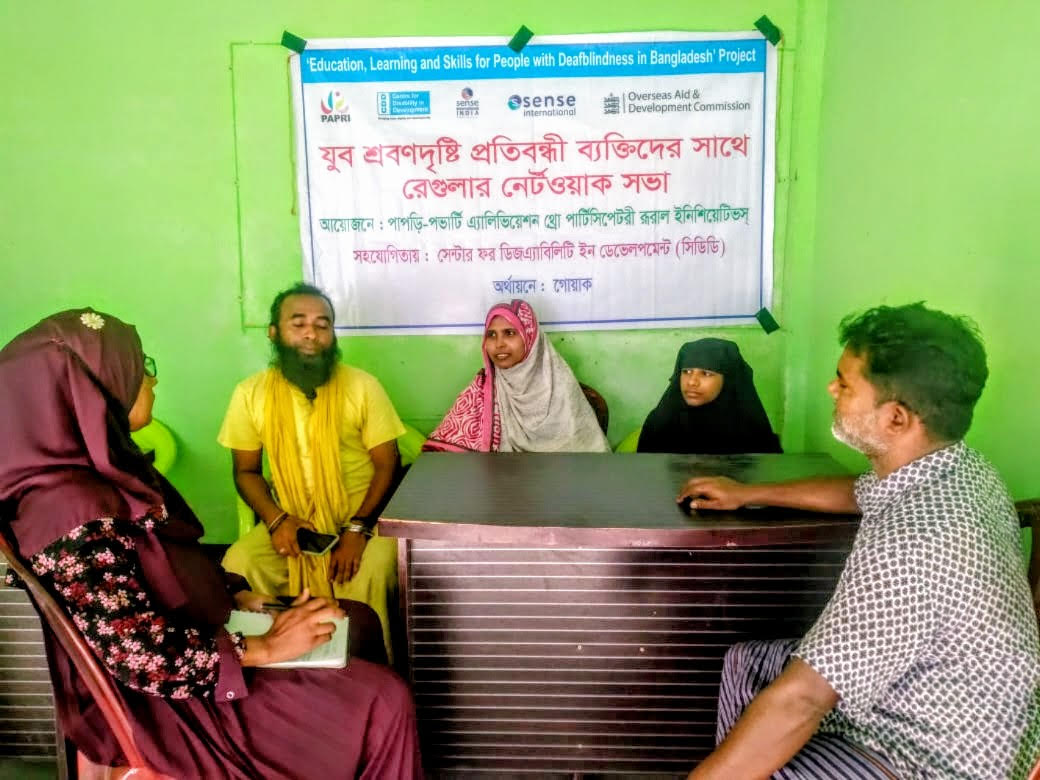
Education, learning and skills for people with deaf blindness in Bangladesh
Deafblindness refers to a combined hearing and visual impairment that significantly affects communication, learning, mobility, and independent living. PAPRI’s project supports deafblind children and adults through assessment, individualized education, home-based ADL training, therapy, assistive devices, healthcare, education, livelihood support, and family capacity building, promoting greater independence and inclusion. Background of the Project: Ever since the beginning, PAPRI has been playing a significant role on the disabled issue and closely eyeing in its working area for the betterment of the people from all sorts of disabilities and trying best for being brought out and aggregated them under a safe umbrella through introducing different activities and support program from different corners. To erase the situation and create a comfort zone for the persons with disabilities, PAPRI teamed up itself with likeminded other development partners at home and abroad aimed to gear up the mobility and enhance the socio-economic condition of the people having severities in the area of deafblindness in the rural area, especially in Narsingdi district. To address the mentioned project PAPRI has made an agreement with the Centre for Disability in Development (CDD) in 2018, as an implementing organization with financial support from Guernsey Overseas Aid Commission (GOAC) Name of the project: Education, learning and skills for people with deafblindness in Bangladesh Project Concept: Through the Deafblind Project, services are being provided to children with hearing and visual impairments aged 0 to 30 years in five upazilas of Narsingdi district. The project is implemented by PAPRI in partnership with CDD, with financial support from Sense International UK and GOAC, and technical assistance from Sense International India. Initially, identified deafblind individuals undergo Functional Assessment and Clinical Assessment to determine their levels of hearing and vision. Based on the results, appropriate communication methods and services are provided. An Individual Education Plan (IEP) is developed for each child. Through home-based services, children receive training on Activities of Daily Living (ADL), such as brushing teeth, eating independently, bathing, dressing, buttoning clothes, using the toilet, holding a pen or pencil, recognizing colors, letters, and numbers, and learning simple words and sentences. Using appropriate Teaching and Learning Materials (TLM), these children gradually acquire various skills. The project established a RRC center at PAPRI head office premises, where therapy and hearing-vision stimulation services are provided, which help improve their physical abilities as well as their hearing and visual functions. For children who have excessive drooling, therapy helps to reduce or stop it. Those who cannot hold their heads upright, sit, stand, or walk are receiving physical improvement through therapy. Children requiring medical care are referred to neuro-medicine specialists, provided with medicines under the project, and connected to government hospitals for access to free medication. The project also supplies assistive devices such as standing tables, standing boards, standing frames, walkers, toilet chairs, special chairs, corner chairs, hearing aid,law vision glass Wrist Hand Orthosis, and spectacles. Malnourished children are given nutritional support. Those who are of working age receive Income Generating Activities (IGA) training to enhance their skills and are provided with cash support to start small income-generating activities—without any repayment requirement. The project also works with Disability Service and Support Centers to obtain assistive devices and other essential services. Awareness meetings at district and upazila levels help ensure the rights of persons with disabilities. To ensure school enrollment and education for deafblind children, meetings are held with students, teachers, and School Management Committee (SMC) members. Adaptations to the government curriculum are made, and training is provided to government and non-government teachers. Curriculum workshops are organized with education officers, teachers, parents, and disabled students, which has made learning easier for deafblind learners. Parents of children with disabilities receive training to build their capacity so that they can better support the daily living of their children at home. Project Purpose: 1. Inclusion deaf-blind people in society developing disable friendly infrastructures 2. Provide social support for deafblind children and their families. 3. Ensure the inclusion of disabled children in mainstream schools. 4. Organize training sessions on inclusive education for government officials. 5. Activate the regional network group .
Learn more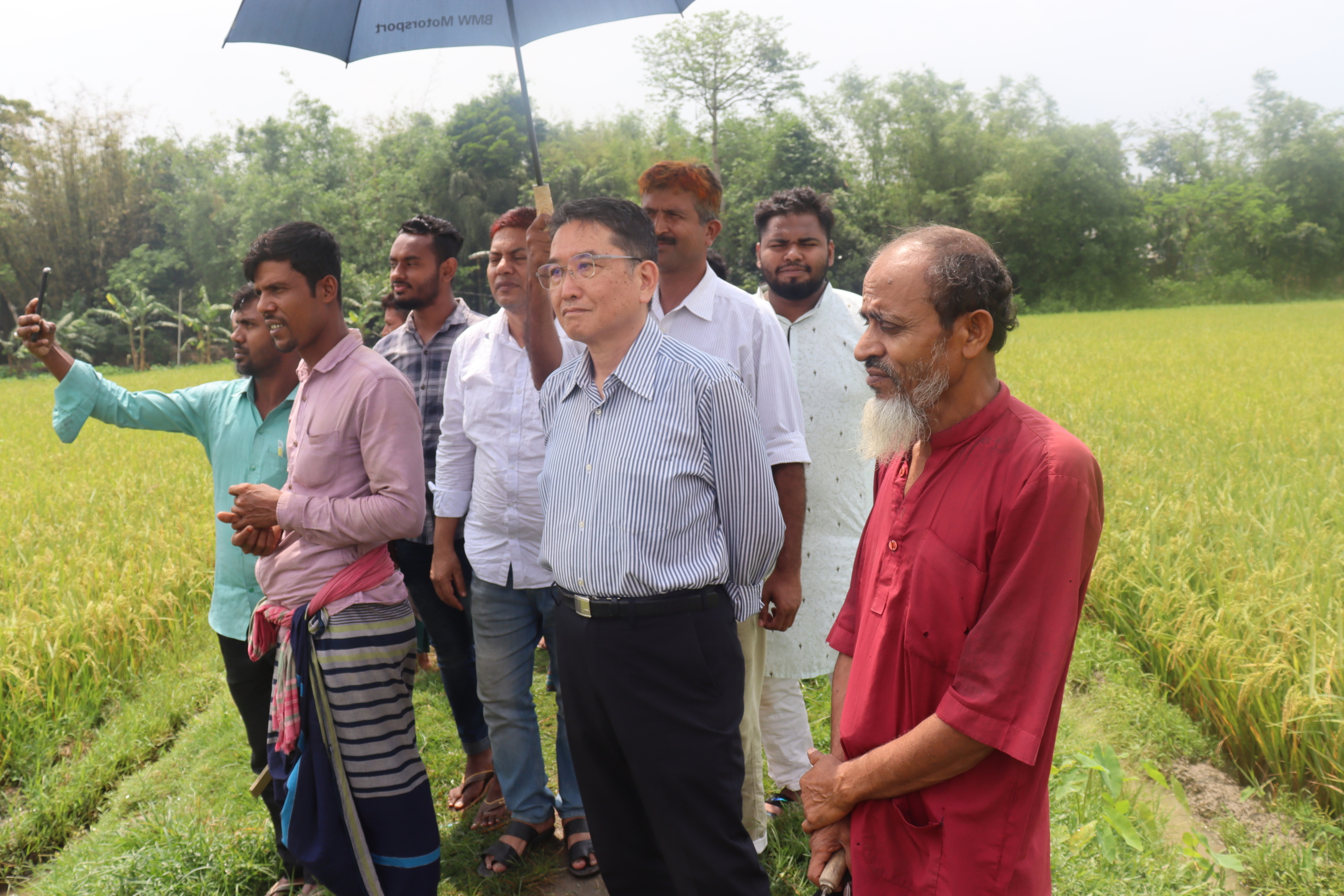
Creattura AWD/ JCM Project in Narsingdi
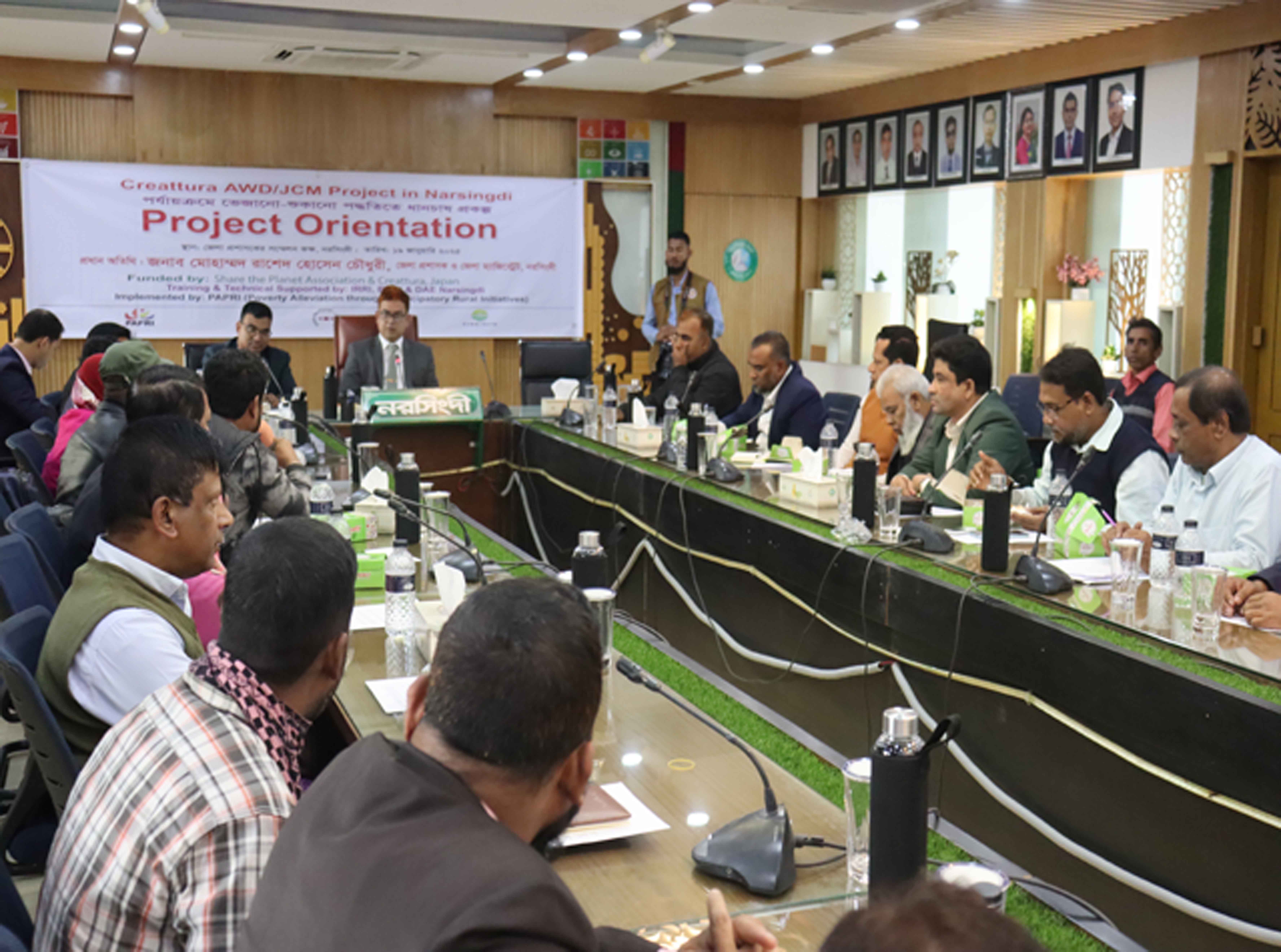
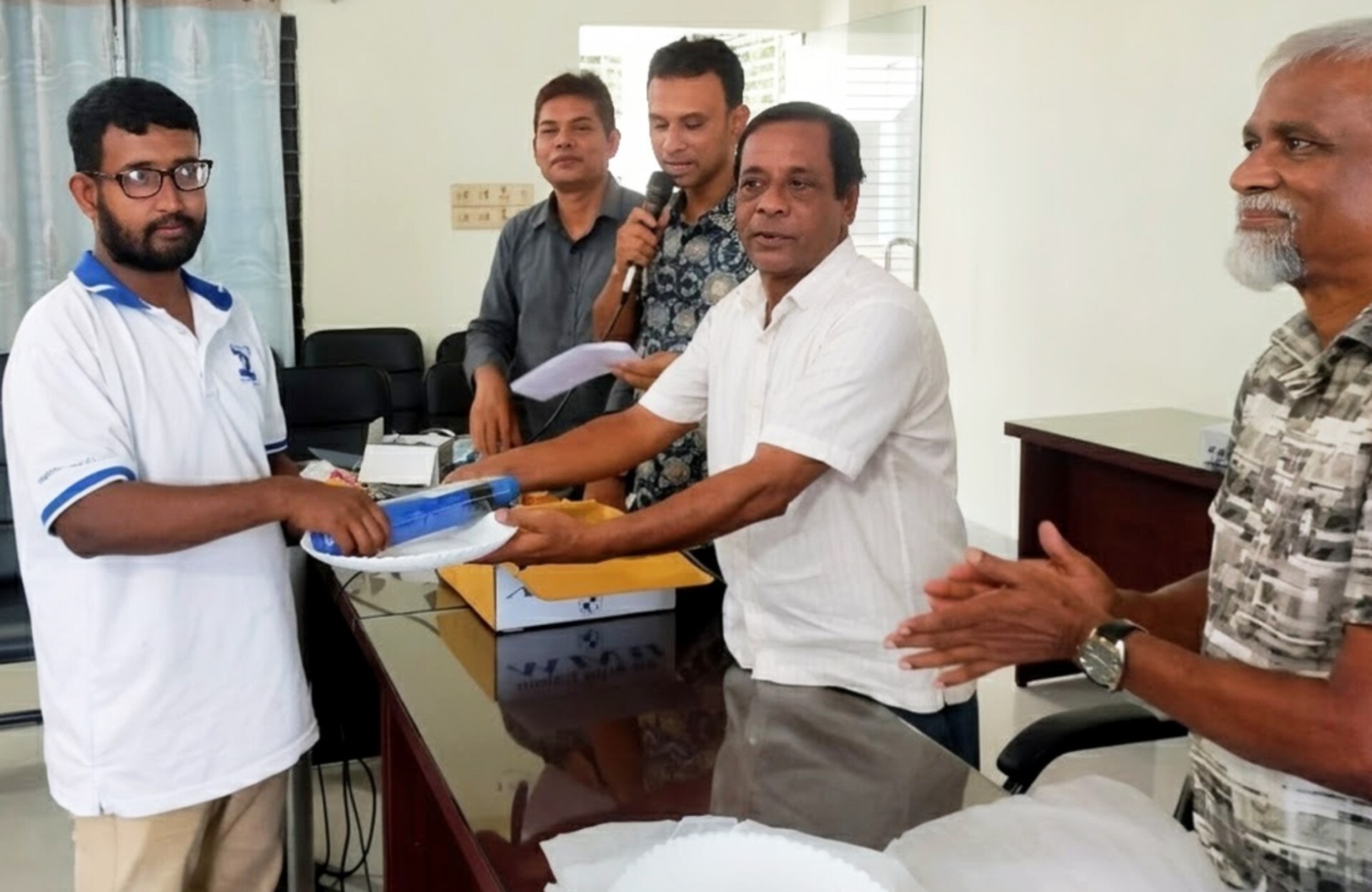
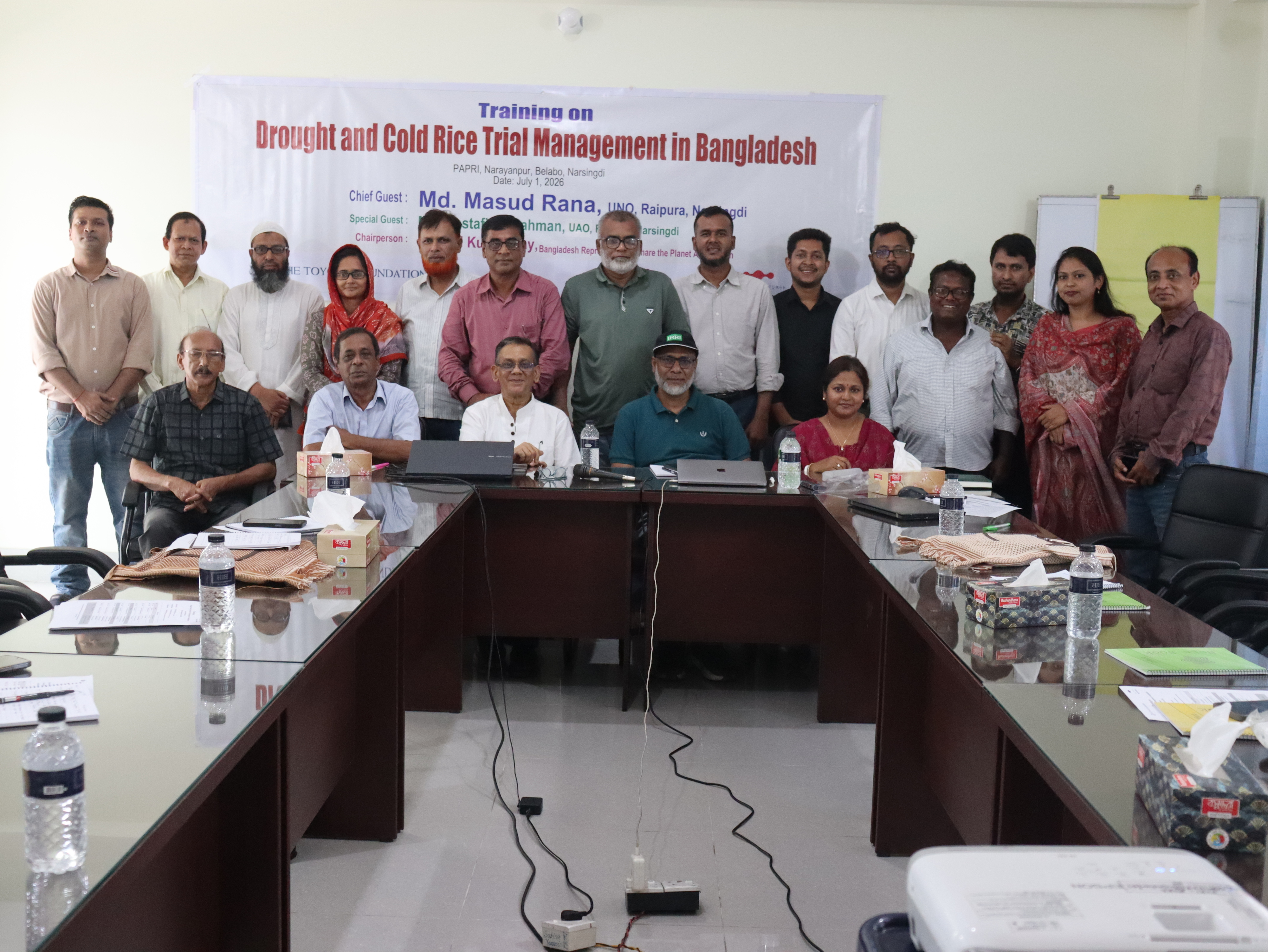
Alternate Wetting and Drying (AWD) is a rice irrigation method that alternates field flooding and drying, irrigating only when necessary. The Creattura AWD/JCM Project in Narsingdi promotes AWD among Boro farmers through training, demonstration, monitoring, and incentives, aiming to reduce water use and methane emissions while increasing rice yields and lowering irrigation costs. Background of the Project: Rice is very important for Bangladesh. It is the main food people eat and a key part of the country’s farming economy. Among all types of rice, Boro rice is the most widely grown each year. However, traditional rice farming in places like Narsingdi uses a method called continuous flooding. This method uses a lot of water and is not good for the environment or for farmers’ finances. This traditional method has serious problems. It is draining groundwater fast, which may cause water shortages in the future. Flooded fields also produce methane gas, a greenhouse gas that harms the climate. At the same time, farmers spend more money on water, energy, and labor, which increases their costs. To address these problems, the Creattura AWD/JCM Project in Narsingdi was launched. The goal is to make rice farming climate-friendly, water-efficient, and profitable. The project uses a method called Alternate Wetting and Drying (AWD). In this method, fields are allowed to dry for some time before watering again. This simple change helps farmers increase yields by 15–20%, save 30–40% of water, and reduce methane emissions. The project is run by PAPRI (Poverty Alleviation through Participatory Rural Initiatives) with support from Share the Planet Association and Creattura, Japan, providing both funding and technical guidance. Project Concept: The Creattura AWD/JCM Project in Narsingdi is a focused six-month initiative implemented by the organisationPAPRI (Poverty Alleviation Through Participatory Rural Initiatives) to address critical agricultural and environmental challenges in central Bangladesh. With financial and technical support from Share the Planet Association of Japan, the project is being implemented in Naraynpur and Radhanagar unions under Belabo and Raipura upazilas of Narsingdi District Narsingdi is a predominantly agricultural region where rice occupies nearly 80–90% of the cultivated land. Farmers in this area, particularly during the Boro season, depend almost entirely on groundwater through continuous flood irrigation, keeping rice fields submerged throughout the cropping period. Although this method ensures good yields, it has created a severe water and environmental crisis. Under the project initiatives, staff and farmers received specialized training on AWD principles, field implementation, and data recording. This was followed by a comprehensive farmer survey to identify participants and document baseline conditions of their rice fields. Each plot was then numbered and mapped for easy monitoring and record-keeping. Once farmers were ready for field activities, the project supported them in seedbed preparation and ensured that transplanting was carried out in a timely manner to maintain consistency across demonstration plots. After transplanting, observation wells (Magic Pipes) were installed in each field to initiate AWD irrigation. The AWD process began with regular water-level measurement and monitoring, allowing farmers to irrigate only when necessary. Project staff conducted periodic meetings with farmers to review progress, discuss challenges, and provide technical guidance. To encourage continued participation and ensure motivation, the project also provided incentive support to farmers adopting AWD practices. By the end of the project, irrigation water use is expected to decline by 30–40%, methane emissions to reduce by a similar margin, and rice yields to increase by 15–20%. Reduced irrigation costs will make AWD economically attractive, allowing farmers to reinvest their savings into further agricultural development. The project aligns closely with national agricultural priorities and global Sustainable Development Goals (SDGs 1, 2, 12, and 13). Through knowledge transfer, institutional collaboration, and practical demonstration, the project will empower local farmers to become champions of sustainable rice cultivation—laying the foundation for long-term environmental resilience and food security in Narsingdi. Name of the project: Creattura AWD/JCM Project in Narsingdi Goal: Increase rice production by 15-20% through the AWD method by enhancing awareness and skills while reducing methane gas emissions. Purpose: Enhance farmers' awareness and skills to improve rice productivity through the application of the AWD method, while reducing methane gas emissions associated with climate change. Total Direct beneficiaries: 254 farmer Working Area: 5 villages of Belabo & Raipura Upazila under Narsingdi district Project Donor: Share the Plannet Association, Japan & Creattura, Japan Duration: The project has a duration of six months, commencing on 1 December 2024 and concluding on 31 May 2025. Basic Information of the Project Areas: Total Farmers: 254 Total plots: 544 Land Areas: 51 hectares Key activities are performed during the project: Several key milestones were reached over the project's six-month duration as follows: • Staff recruitment was completed. • Farmer surveys were completed. • All 544 plots were identified and numbered. • Staff training was successfully conducted. • The project was officially inaugurated on 19 December 2024. • Farmer training was completed between 28 December 2024 and 2 January 2025. • A District Level Project Orientation was successfully held on 19 January 2025, with 110 participants • A Union Level Project Orientation was successfully held on 20 January 2025, with 40 participants including the UNO of Raipura as chief guest. • Installation of 12 GHG measurement chambers (6 at AWD plots and 6 at non-AWD plots) was completed on 15 January 2025 with the support of a specialized team from BRRI. • Spot training on chamber setup, data collection, and safety was provided to field staff. • Online meetings were held with Share the Planet Association and Creattura multiple times. Field visits were conducted by representatives from Share the Planet Association, BRRI, and PAPRI leadership to observe project activities and engage with farmers. • Incentives were successfully distributed to all 254 participating farmers on 27 April 2025. • Harvesting commenced in late April 2025 and continued up to May 2025. • Work began on a documentary film about the project's success, organized by Share the Planet Association and IFAD. Accomplished activities during reporting period as follow Sl no Activities Target Achievement Remarks 01 Total land area 50 Hectors 51 Hectors 02 Orientation on Survey 01 day 01 day 03 Farmer’s Survey conduction 254 farmers 254 farmers 04 Staff Training 01 time 01 time 05 Plot numbering 549 plots 549 plots 06 Training on Apps 01 day 01 day 07 Farmers Training (06 Days) 254 farmers 248 farmers 08 Organize union level Project Orientation 01 01 09 Organize district level Project Orientation 01 01 10 Support the Installation of Gas Chambers 12 chambers 12 chambers 11 Observation Pipe numbering and distribution 549 549 12 Plot-wise water-level measurement 6892 7035 13 Upload picture of plot at (-)15 cm 1088 1342 14 Pictures Input in Apps 1632 2192 15 Field level meeting with data collector - 04 16 Online meeting with SPA and the Creattura 10 9 17 Meeting with Farmers Need base 06 18 Meeting with Data collectors Need base 05 19 Project Area visit by different dignitaries Individuals Need base 24 Major Outcomes: • Farmers are happy to see the rice yield. Almost all farmers have been covered under the AWD system. • Farmers have become aware of the various varieties of rice for boro cultivation. The local agriculture department has focused on the implementation of the AWD system within the project area. • Union Parishad, Upazila Administration, Local Elite - In particular, people of different classes, including imams, teachers, fertilizers, fertilizers, have become aware of the AWD system in paddy cultivation mainly boro cultivation. Challenges: • Bringing all farmers within the project's scope. • Starting project work at the earliest preparation time. • Conducting extensive training in a very short time to ensure data and agriculture extension. • Motivating all farmers to prepare seedbeds in due time. • Planting seedlings together at a specific age. • Completing farmer training within the shortest possible time. Learnings: • It is possible to motivate farmers through the presentation of accurate agricultural information and practical collaboration at the field level, using training and motivation on productive subjects. • Even though the use of AWD and Go-Tech technologies may be new for data collectors and field mobilizers in the project, ensuring their effective use will help establish a dynamic coordination with technology in the project's implementation in the coming days.
Learn more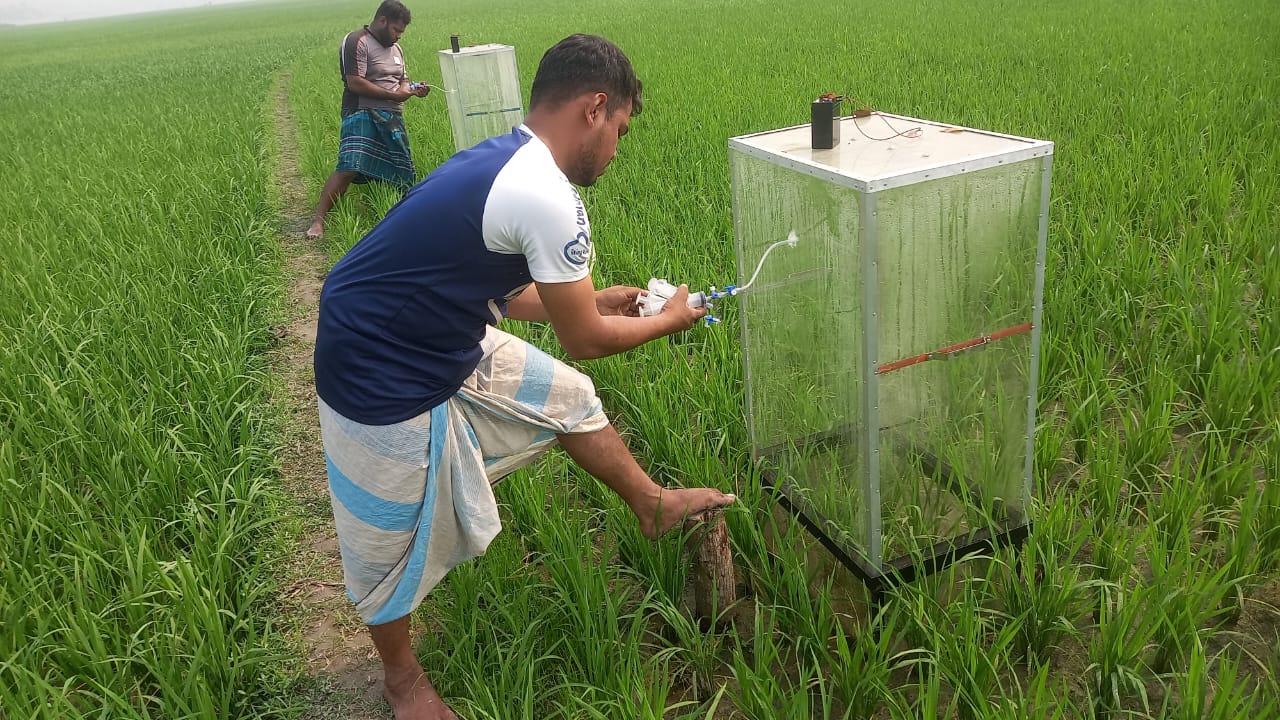
Creattura AWD/JCM Project in Narsingdi
Increase rice production by 15-20% through the AWD method by enhancing awareness and skills while reducing methane gas emissions.
Learn moreOngoing Projects
Strengthening systems for the enrolment, retention and support of children with disabilities at primary level of mainstream education in Bangladesh” SHIKHBO SHOBAI/DID TO-45 Project.
31 Jan 2026
SHIKHBO SHOBAI/DID TO-45 Project supports severely and multiply disabled children aged 5–10 in Narsingdi Sadar through functional assessment, individualized education, home-based ADL training, therapy, healthcare, assistive devices, and school inclusion. The project also strengthens parents and community support systems to improve children’s independence, development, and well-being. Background of the Project: PAPRI (Poverty Alleviation through Participatory Rural Initiatives) has been working since 1999 to integrate disability into development activities. PAPRI is involved in various developmental activities in all upazilas of Narsingdi district. PAPRI has gained a wide reputation in the entire district for improving the quality of life of disabled people through community based activities. In continuation of this, through regular home-based services and support for the multi-dimensional and severely disabled children aged 05 to 10 years of Sadar Upazila of PAPRI Narsingdi district, the environment and service capacity will be maintained in a suitable environment for school admission. A permanent infrastructure for children with multiple and severe Disabilities has been developed through the work of various local organizations. Train caregivers, immediate neighbors and community members to provide regular services to meet the needs of children with multiple and severe disabilities. By creating and promoting other appropriate communication challenges (eg meetings and testimonials), children with multiple and severe disabilities and caregivers, nearest neighbors should be given the information they need about child protection and play a role in decision-making about their various abuses. Project Name: Strengthening systems for the enrolment, retention and support of children with disabilities at primary level of mainstream education in Bangladesh” SHIKHBO SHOBAI/DID TO-45 Project. Project Concept: Under the DID TO-45 Project, severely and multiply disabled children aged 5 to 10 years in Narsingdi Sadar Upazila have been identified through a survey conducted by Penda. Following identification, each child undergoes a Functional Assessment to determine what type of services they require. Based on this assessment, regular services are being provided. After the Functional Assessment, an Individual Education Plan (IEP) is developed for each child. In the initial stage, home-based services are provided focusing on the child’s Activities of Daily Living (ADL). The ADL activities generally include brushing teeth, eating independently, bathing alone, wearing clothes, buttoning shirts, using the toilet, holding pens or pencils, introducing colors, recognizing letters and numbers, and learning small words and sentences. Using appropriate Teaching-Learning Materials (TLMs), children with disabilities are gradually taught various concepts and skills. For children who experience continuous drooling, special exercises and therapies are used to reduce or stop salivation. Children who cannot hold their head upright, sit, stand, or walk are improving physically through therapeutic support. Children requiring medical treatment receive free clinical services from specialized doctors through Health Camps (Clinical Assessment) organized by the project. Coordination with government hospitals ensures access to free medicines, and linkages are established with different hospitals to facilitate necessary medical care. Children in need of assistive devices such as standing tables, standing boards, standing frames, walkers, toilet chairs, special chairs, corner chairs, AFO (Ankle Foot Orthosis), KAFO (Knee Ankle Foot Orthosis), Wrist Hand Orthosis, or spectacles are being provided these items through the project. The project also coordinates with Union Parishads to facilitate birth registration and helps families access government benefits such as VGF (Vulnerable Group Feeding) and VGD (Vulnerable Group Development). Coordination with the Department of Social Services ensures that children with disabilities receive disability ID cards and are enrolled under the disability allowance program. Through collaboration with the Disability Service and Assistance Centers, children also receive assistive materials and essential services. Members of Organizations of Persons with Disabilities (OPDs) are working alongside project staff as part of Community Support Teams (CSTs) at the field level. The parents of children with disabilities are trained to enhance their caregiving and management skills. The project also works with primary schools to facilitate the enrollment of children with disabilities and conducts regular follow-ups to monitor their progress. Project Duration: 16 August 2022 to 31 December 2025 Project Area: Sadar Upazila of Narsingdi District. Number of Unions:7 (Chinishpur, Hajipur, Nazarpur, Karimpur, Shilamandi, Kathalia and Amdia) Municipalities: 2 (Narsingdi and Madhavadi) Number of schools: 15 Beneficiaries: Children with Severe and Multiple Disabilities. Age of Beneficiary : 05 to 10 years. Total number of beneficiaries: 97 Children .(Male-51 & Female-46) Donor: Sense International UK & Sense International India Project Objectives: 1. Although working in schools is the primary focus of this task order, for the first six months of TO-45, members of the consortium partners will work at the community level and with OPD members to raise awareness about school enrollment of children with disabilities, as well as children with disabilities who have been enrolled in schools in the past or not, will ensure their access to home-based education systems that meet their specific learning needs. 2. Prepare children with disabilities for inclusion or re-integration into school through home-based education programs and continue the activities of school-based programs. Home-based education will continue primarily for a small number of children with disabilities who are severe and complex and for whom school-based education may not be appropriate, while most children with disabilities will be supported through school-based programs. Major Achievement: • Children/family members were brought under the asset accumulation initiative. • Regular meetings were held with caregiver groups. • Functional assessment and participation in health camps were ensured for 12 new children. • Health check-ups were conducted for 63 children through clinical assessment/health camps. • Free medicines were provided from the district hospital for children who participated in the clinical assessment. • Winter clothes were distributed among children with disabilities and their family members. • Assistive devices were distributed among children with disabilities through the District Administration. • First prize was received at the Youth Festival in collaboration with NGOs. • Support was provided to children with severe and multiple disabilities to obtain birth registration cards and disability ID cards. • An exchange visit was organized in Sirajganj with caregivers. • Through asset accumulation, arrangements were made for 4 children with disabilities to receive BDT 12,000 annually for 5 years from a private organization. • Support was provided to access VGF goods from Union Parishad and Municipality.