Organizing Diversified & Holistic Initiatives on Knowledge Acquisition for Remotest char area children (ODHIKAR) Project
21 Mar 2024
Background of the Project:
From its inception, PAPRI (Poverty Alleviation through Participatory Rural Initiatives) has been deeply committed to education at all levels. Our journey has encompassed a diverse range of educational initiatives, including basic literacy, adult education, child education, and the Madhamik school. We have also been actively engaged in addressing the unique educational challenges faced by children in the char areas, specifically in the Bashgari, Mirjarchar, and Paratoly unions.
In our relentless pursuit of improved educational outcomes, PAPRI took a significant step forward with the release of the booklet titled "Wings of Change on Char Education." This publication was a pivotal component of the Char Education Program through Community Mobilization (CEPCM), which was successfully phased out in 2018. CEPCM illuminated the path to enhancing children's education in the char areas through close collaboration with School Management Committees (SMCs), local communities, government institutions, and other stakeholders.
One of the char unions under our purview, Chandpur in Raipura Upazila, Narsingdi district, presents a unique set of challenges. This union is geographically isolated, surrounded by the mighty River Meghna, making it susceptible to natural calamities. Transportation and communication are predominantly reliant on boats, with only a single road connecting twelve villages while three others remain isolated from the rest of the region. As a result, government and non-government employees, including primary school teachers, Assistant Upazila Education Officers (AUEOs), union-based health officers, media personnel, and NGO staff, often find it challenging to access this remote area. The absence of instructors in Government Primary Schools (GPS) exacerbates the educational challenges faced by the children in this area.
Our observations have revealed that GPSs in the area have not consistently catered to children from low-income families, taken steps to retain them in school, or maintained accurate records of repeaters and dropouts. Students enrolled in these schools have often been caught in a cycle of repeating classes, transitioning to Madrasahs, and ultimately dropping out.
While government policy mandates such as home visits and cocurricular activities by teachers to support weak, irregular, and dropout students have not been consistently followed due to different limitations, Irregular attendance due to a lack of teachers has placed many children at risk of academic failure.
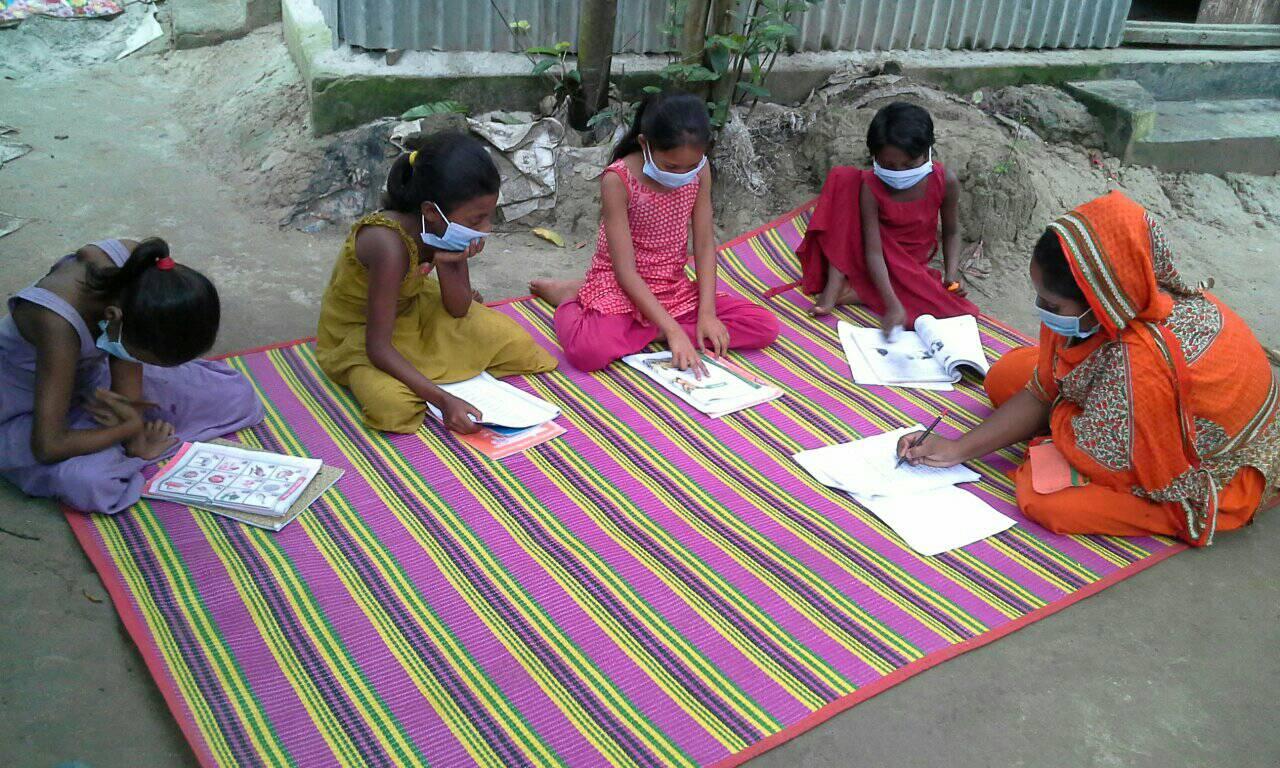
In response to these pressing challenges and with a firm commitment to extended learning opportunities, PAPRI has initiated the ODHIKAR project in Chandpur union, a char union. This project introduces a fresh dimension with a focus on mainstreaming impoverished children. We aim to reduce the educational disparities faced by these children within the GPSs. Moreover, PAPRI seeks to elevate the issue of education for char children within the community and among relevant stakeholders, fostering greater awareness and engagement.
The ODHIKAR project represents our continued dedication to transforming the light of children through education. With the support of the local community and our partners, we strive to empower every child, regardless of their socio-economic background, to access quality education and achieve their fullest potential.
Name of the project:
Organizing Diversified & Holistic Initiatives on Knowledge Acquisition for Remotest char area children (ODHIKAR) Project
Project Purpose:
Holistic learning opportunities for marginalized children (Remotest Char Area Children) have been strengthened through mobilization of different stakeholders
Total beneficiaries: 5148 children
Working Area: Chandpur Union of Raipura Upazila under Narsingdi district
Project Donor: SHAPLA NEER = Citizens' Committee in Japan for Overseas Support
Project Duration: March 2021-March 2024
Major Outcomes:
In the fiscal year 2022-23, the ODHIKAR Project achieved significant outcomes in its mission to transform the educational landscape of Chandpur union in Narsingdi district. This initiative has been instrumental in addressing the unique challenges faced by children in char areas. Here are the major outcomes:
• The project successfully increased school attendance among children from low-income families. Targeted interventions, including awareness campaigns and support programs, contributed to a reduction in absenteeism.
• Efforts to retain students in school were fruitful, with fewer children dropping out or repeating classes. Enhanced support mechanisms and engagement by the Para Teacher (PT) and Education Facilitator (EF) with parents played a crucial role in this outcome.
• The project raised community awareness through film show, community based meeting about the importance of education and the unique challenges faced by char children. Local communities became active stakeholders in promoting education.
• Project initiatives encouraged teacher engagement and home visits to support weak, irregular, and dropout students. Teachers played a more active role in ensuring consistent attendance.
• The project demonstrated education and cultural fair, speeches from iconic figures, and meetings with SMC, UP, the Upazila Education Office, and the Upazila Administration that open a conducive atmosphere in primary education for the remotest children.
Challenges:
• Continuation of the present education wave in Chandpur Union by the involvement of community members, volunteers, including the Upazila Education Department and Upazila Administration beyond the project cycle.
• Ensuring adequate resources for sustained educational support in remote areas remains a challenge.
• Socio-economic barriers continue to affect children's access to education, necessitating ongoing efforts to bridge these disparities.
Learnings:
• Engaging local communities as partners is essential for the success of educational initiatives in remote and challenging environments.
• Actively involving parents in their children's education can significantly impact attendance and retention rates.